*McTimoney College of Chiropractic will be closed from 4pm on Friday 22 December 2023 for the festive period and will reopen at 8am on Tuesday 2 January 2024.*
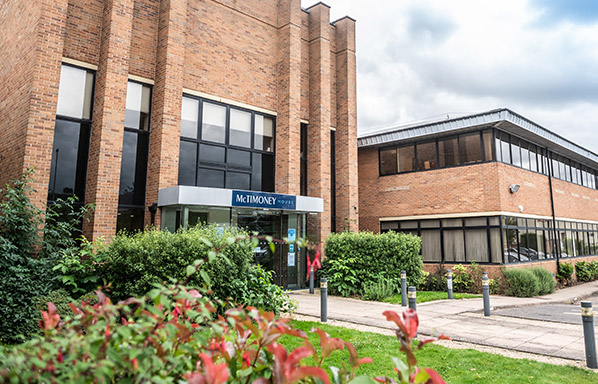
Welcome to the McTimoney College of Chiropractic
Chiropractic is an internationally recognised profession, and as such, it is accepted by healthcare professionals and the general public as a key part of our healthcare system.
At McTimoney College, we accommodate students who are fresh out of school as well as mature individuals with life experience and an understanding of potential patient needs. Whether your passion is in chiropractic care for people or animals, we provide a diverse range of chiropractic programmes in both areas.
As part of the College of Health, McTimoney College of Chiropractic will prepare you for your career as a chiropractor by providing support at each stage of your educational journey. By using a whole-body approach, with a sound understanding of the medical and scientific implications, chiropractic ensures a healthy balance in all aspects of the body’s daily functions, providing a route to better health.
Regardless of your chosen programme, you will graduate with sound understanding of the subject and an official chiropractic degree, ensuring a high-quality learning experience.
Next Open Days
Chiropractic: Fri. 17 May 2024
Animal Chiropractic: Thurs. 30 May 2024
Our Chiropractic Courses
Why Choose Us
- Highly regarded qualification
- High employment of new graduates
- A small and friendly college environment
- Small class sizes and excellent tutor ratios
- Early hands on clinical experience
- Well-experienced in-practice faculty
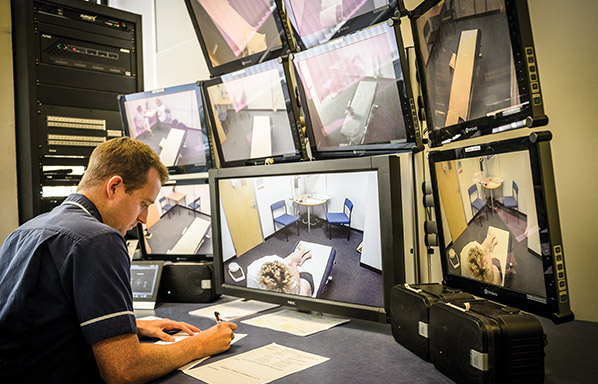
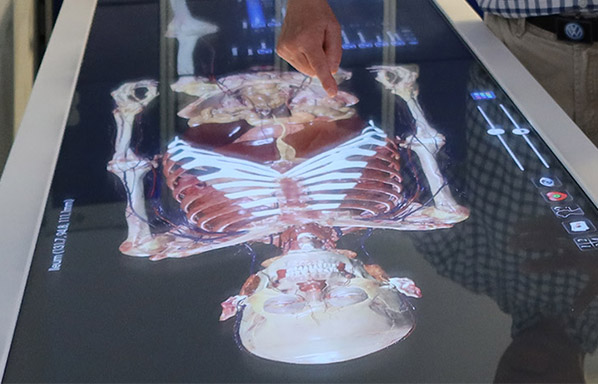
- State of the art clinic and teaching facilities
- Strong student support structure
- Strong alumni network and career support services
- Diverse and inclusive learning environment
- Integration of modern technology
- Global campuses with international study options in Oxfordshire, Manchester, Madrid & Hong Kong
Explore Further
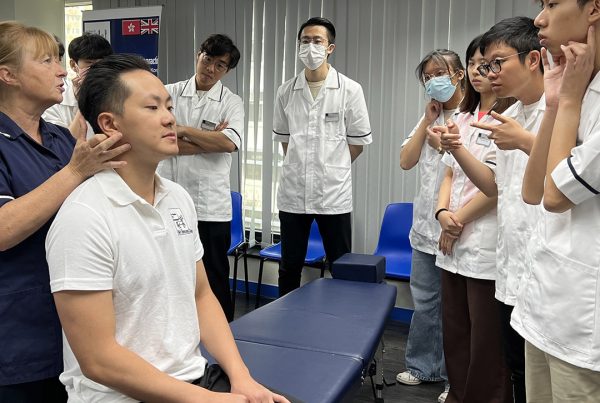
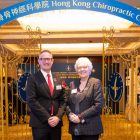
McTimoney College opens Hong Kong campus
October marked another big step in the McTimoney journey, as the Hong Kong campus opened…

McTimoney comes to Spain!
The McTimoney College of Chiropractic is delighted to announce that it has opened a new…